Anatómia phishingového útoku: Dokážete rozpoznať falošný?
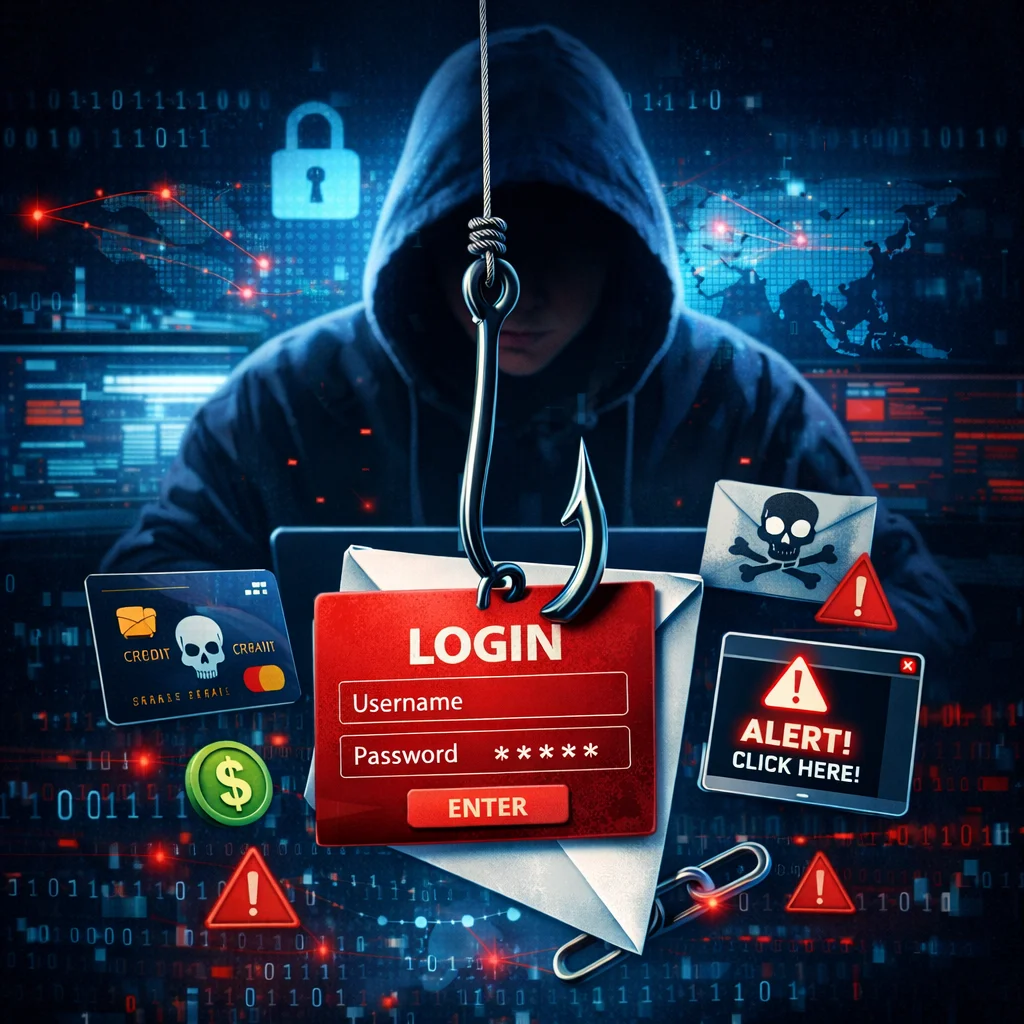
Phishing zostáva #1 vektor kybernetického útoku v roku 2026, zodpovedný za viac ako 80 % porušení ochrany údajov. Najlepšia obrana? Naučiť sa rozpoznávať znamenia. Táto interaktívna príručka vám umožní precvičiť si odhaľovanie pokusov o phishing v bezpečnom prostredí.
Ako funguje phishing
Útočníci sa vydávajú za dôveryhodné subjekty – banky, technologické spoločnosti, kolegov –, aby vás prinútili odhaliť citlivé informácie. Používajú naliehavosť, strach a autoritu, aby obišli vaše kritické myslenie.
Bežné červené vlajky
- Nesprávne napísané domény— paypa1.com namiesto paypal.com
- Naliehavý jazyk— „Váš účet bude pozastavený o 24 hodín“
- Všeobecné pozdravy— „Vážený zákazník“ namiesto vášho mena
- Podozrivé odkazy— pred kliknutím zobrazíte skutočnú adresu URL
- Neočakávané prílohy— najmä súbory .exe, .zip, .docm
🎯 Interaktívna výzva: Skutočná alebo falošná?
Nižšie je uvedených 11 príkladov e-mailov a adries URL. Vašou úlohou je určiť, ktoré to sú legitímne a ktoré sú pokusy o phishing. Kliknite na príslušné tlačidlo pre každý z nich.
Ako sa chrániť
- Vždy skontrolujte doménu odosielateľa— nielen zobrazované meno
- Umiestnite kurzor myši na odkazy pred kliknutím na overenie skutočnej adresy URL
- Povoliť 2FA na všetkých dôležitých účtoch
- Používajte jedinečné heslá pre každý účet – vygenerovaný pomocou PassGen
- Nikdy nezadávajte poverenia po kliknutí na e-mailový odkaz — prejdite priamo na stránku
Profi tip: Skombinujte silné jedinečné heslo (od PassGen) s dvojfaktorové overenie— aj keď podľahnete phishingu, útočníci nebudú mať prístup k vášmu účtu.